Resource Center — Inspirational
Mobility and Mental Health: Staying Positive While Navigating Mobility Challenges
Recovery is never just a physical process, it is a deeply emotional journey. Whether you are navigating a long-term disability or recovering from a major surgery, the sudden shift in mobility can lead to feelings of isolation, frustration, and even a loss of identity.
At Millennial Medical, we know that maintaining a positive mindset is critical. Here is how you can nurture your mental health while navigating the challenges of limited mobility.
The Connection Between Comfort and Mood
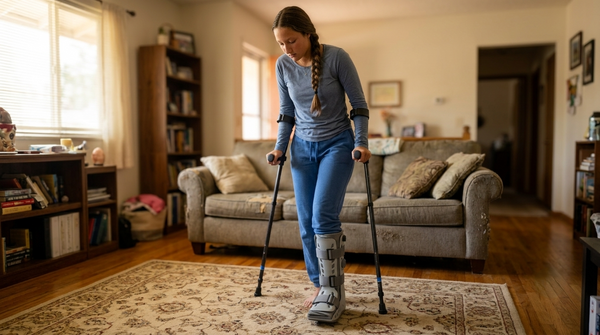
It is difficult to stay positive when every step causes pain in your hands, wrists, or shoulders. Traditional crutches often lead to "secondary pain," which can drain your mental energy.
This is why ergonomic crutches are a game-changer for mental health. By using the In-Motion Crutch, you aren't just protecting your body; you are protecting your spirit. When you aren't distracted by underarm bruising or wrist strain, you have more mental bandwidth to focus on your hobbies, your family, and your future.
Coping Strategies for the Recovery Journey
Navigating a disability requires a toolkit of mental health strategies to stay grounded:
- Practice Mindfulness: When frustration peaks, use breathing exercises to ground yourself. Remember that your current situation is a chapter, not the whole book.
- Journal Your "Daily Wins": Recovery happens in millimeters. Record small victories, like walking to the mailbox or standing for ten minutes, to remind yourself of your strength.
- Stay Connected: Lean on friends, family, or online support groups. Shared experiences remind you that you aren't alone in this transition.