Walking Through Life’s Challenges: Why Crutches Matter and How In-Motion Crutches Make a Difference
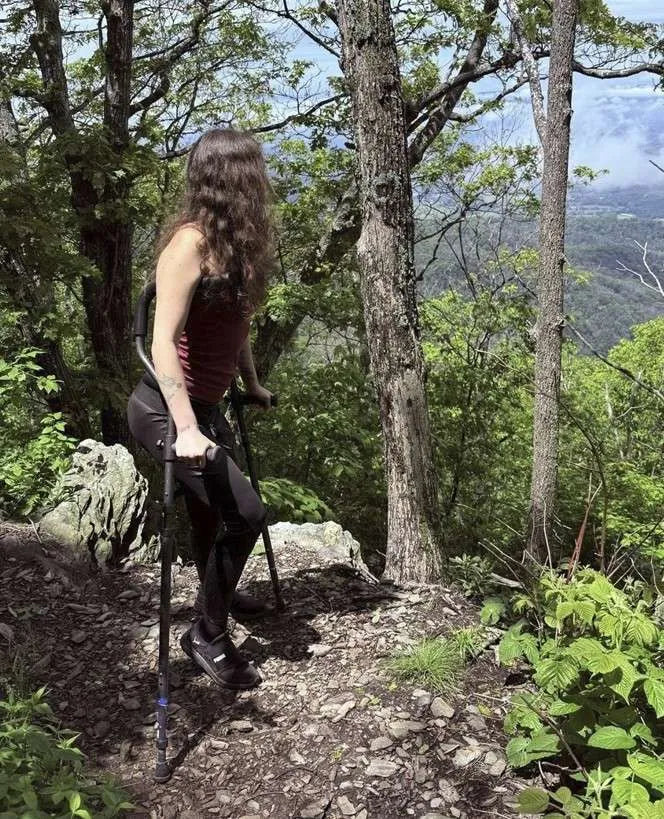
Life doesn’t always go as planned. Sometimes an injury, surgery, or chronic condition changes the way we move, and that’s where in-Motion Crutches step in. Far from being just a temporary tool, crutches can be a lifeline for independence, helping people stay mobile, confident, and connected to the world around them.
Conditions That May Require Crutches
Injuries & Surgeries
- Fractures of the leg, ankle, or foot
- Knee ligament tears (ACL, MCL) or meniscus injuries
- Post-surgical recovery after hip, knee, or ankle procedures
- Osteoarthritis or rheumatoid arthritis causing severe pain and instability
- Osteoporosis leading to fragile bones and fractures
- Hip dysplasia or joint replacement rehabilitation
- Cerebral palsy, where crutches can provide stability and freedom
- Multiple sclerosis, which may cause weakness or balance issues
- Post-polio syndrome or spinal cord injuries that limit mobility
- Severe infections like osteomyelitis
- Vascular conditions or amputation recovery
- Congenital limb differences