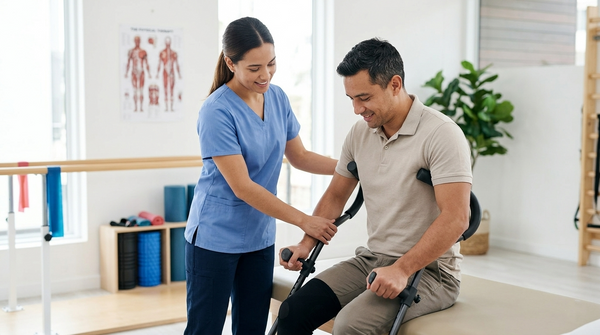
Most patients leave their first PT appointment with crutches that don't fit right. That's not usually the therapist's fault, fittings happen fast, patients are uncomfortable, and there's a lot going on. But a bad fit compounds over days and weeks into shoulder injuries, falls, and patients who give up on the crutches altogether.
Here are the seven mistakes that show up most often and what to check instead.
1. Fitting Height With Shoes the Patient Won't Always Wear
This one seems obvious until you realize how often it gets skipped. If you fit crutches while the patient is wearing sneakers but they'll spend half their day in socks or slippers, the axillary height is off. A two-centimeter heel difference changes the whole geometry.
Fit in the footwear they'll actually use most. If they're going to alternate, fit to the shorter option and note it in the chart.
2. Setting Axillary Height Too High
The crutch pad should sit two to three finger-widths below the axilla, not pressed up into it. When the pad is too high, patients bear weight through their armpit, which compresses the radial nerve and brachial plexus. The result is the numbness and tingling patients describe as "crutch palsy."
Check it standing with arms at rest. If the pad touches the axilla, it's too high.
3. Handgrip Height That Forces Elbow Extension
The handgrip should allow 15 to 30 degrees of elbow flexion when the patient is standing upright with hands on the grips. Full extension means all the load goes through a locked joint, no shock absorption, faster fatigue, and stress on the wrist.
Ask the patient to stand naturally and just rest their hands. If you see straight arms, lower the grips.
4. Not Accounting for Compensatory Trunk Lean
Patients with acute pain, fear of weight-bearing, or significant swelling will lean toward the injured side, hike their hip, or drop a shoulder. If you fit them in that posture, you're building a bad fit around a compensatory movement pattern that will change as they heal.
Fit to neutral posture. Cue them actively if you need to. "Stand as straight as you can" takes 10 seconds and changes the fitting.
5. Skipping the Forearm Crutch Option for Long-Term Users
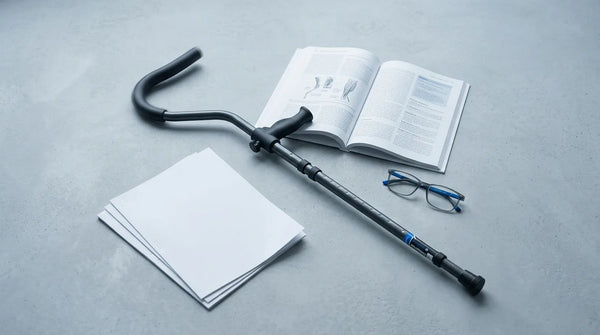
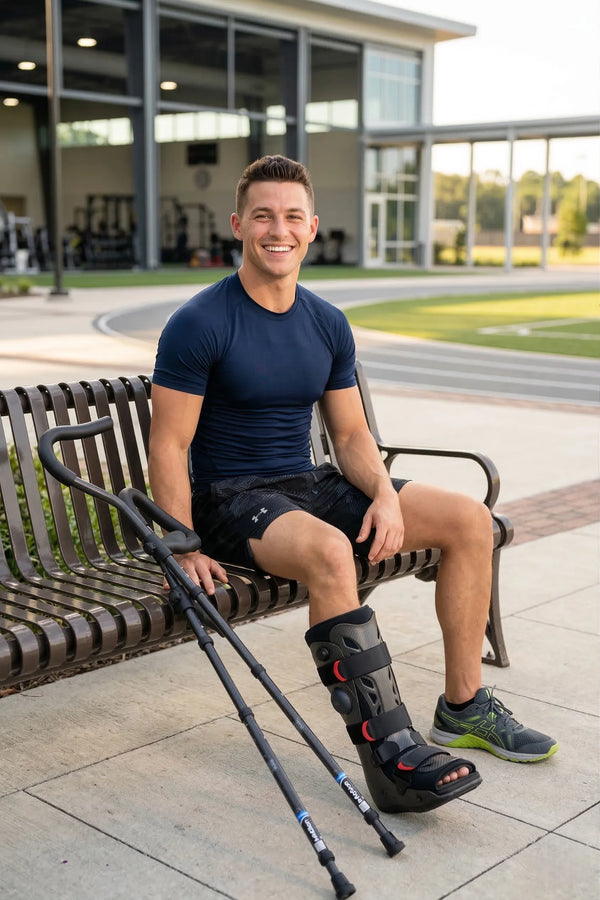
Axillary crutches are the default. They shouldn't be the only option you offer. For patients who'll be on crutches for more than three or four weeks, post-surgical cases, longer fracture recoveries, forearm crutches reduce shoulder and axillary stress significantly and allow a more natural gait pattern.
The patient often doesn't know forearm crutches exist. That's not their job. It's worth the 60 seconds to present the option.
6. Skipping the Gait Pattern Before the Patient Leaves
Fitting and gait training are two different things, but they're supposed to happen in the same visit. A well-fitted crutch used with the wrong gait pattern leading with the wrong leg, not weighting through the arms properly, taking stairs incorrectly, puts patients at immediate fall risk.
Don't hand them the crutches and send them to the waiting room. Walk the pattern with them.
7. Not Documenting the Fit
Height settings, grip position, crutch type, gait pattern taught, weight-bearing status if it's not in the chart, the next person who sees that patient starts from zero. And if a patient comes back with shoulder pain four weeks later, you have no baseline to compare against.
Takes two minutes. Do it every time.
One More Thing Worth Noting
Spring-assisted crutches, like the in-Motion line, change the load mechanics in ways traditional axillary crutches don't. The spring mechanism absorbs ground reaction force and reduces the compressive load on the wrist and shoulder. For patients with upper extremity weakness, arthritis, or longer recovery timelines, it's worth knowing these exist.
We're happy to send clinical information to PTs who want to evaluate them for their patient population. Just reach out.
The Fitting Takes Ten Minutes. The Recovery Takes Months.
A bad crutch fit doesn't hurt the patient on day one. It hurts them on day 14, when their shoulder is shot and they're walking with a hitch that's going to affect their gait long after the crutch goes away. Getting it right at the start is the faster path to recovery for the patient and for your outcomes.
Related Recovery Guides